Explore Georgia Tours
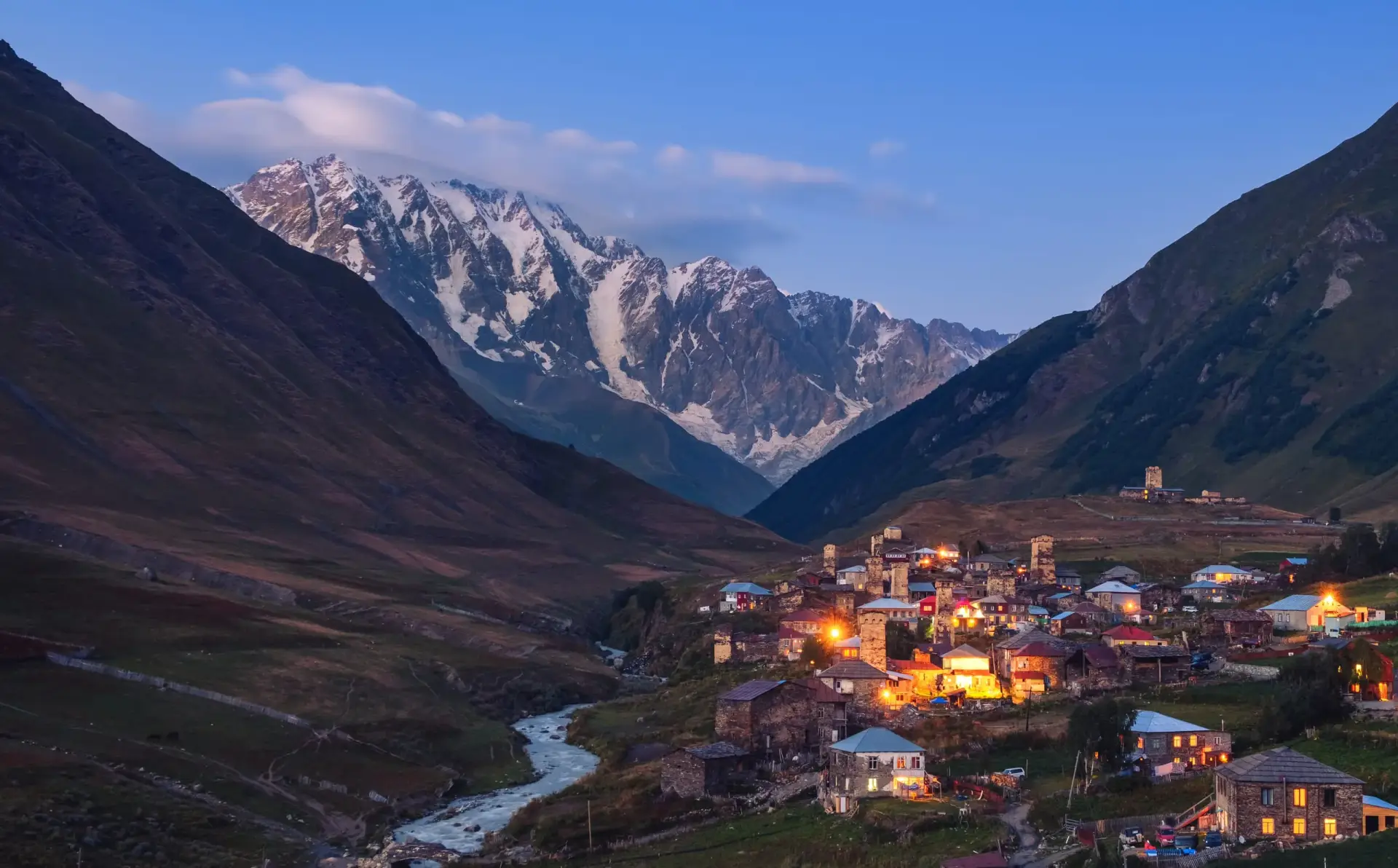
Ushguli village with medieval Svan towers at sunset in Upper Svaneti, Georgia, with the snow-capped peaks of the Greater Caucasus Mountains in the background
Travel GuideItineraryPlanning

The Complete 7-14 Day Georgia Itinerary: Tbilisi to Svaneti Mountains

E
Explore Georgia Tours Team
Local Travel Experts
18 min read

Planning a Georgia itinerary that balances mountain trekking in Svaneti, wine tastings in Kakheti, cultural exploration in Tbilisi, and scenic drives through the Caucasus Mountains requires careful sequencing and local expertise. This comprehensive guide provides realistic day-by-day breakdowns for three trip lengths, accounts for travel logistics and seasonal conditions, and incorporates insider knowledge to help you create unforgettable memories in one of Europe's most authentic travel destinations.

Why Georgia Should Be Your Next Destination

Georgia sits at the crossroads of Europe and Asia, a small country punching far above its weight in terms of natural beauty, cultural depth, and culinary excellence. While still relatively undiscovered by mass tourism, Georgia offers experiences that rival—and often surpass—more crowded destinations.

Ancient winemaking tradition: Georgia is the birthplace of wine, with 8,000 years of continuous winemaking history. The traditional qvevri method (clay vessel fermentation) is UNESCO-recognized, and you'll find over 500 indigenous grape varieties found nowhere else on Earth.

Dramatic mountain landscapes: The Greater Caucasus range forms Georgia's northern border, with peaks exceeding 5,000 meters. Medieval villages, stone defensive towers, and glacier-fed valleys create scenery that feels untouched by time.

Living history: From 6th-century cave monasteries to medieval fortress towns, Georgia's layered history is visible everywhere. The script, the music, the architecture—everything feels distinctly unique.

Genuine hospitality: Georgians consider guests "gifts from God." The tradition of the supra (feast) means meals often stretch for hours, with endless toasts, homemade wine, and dishes prepared with obvious love.

Exceptional value: Your travel budget stretches remarkably far in Georgia. A excellent dinner with wine might cost €15-25 per person, quality guesthouses €40-60, and private guided experiences remain affordable compared to Western Europe.
Best Time to Visit Georgia: Seasonal Guide

Georgia's diverse geography means different seasons favor different experiences. Here's how to choose your timing:

💡 Quick Answer: For most travelers, late May to mid-June or September to mid-October offer the ideal balance of pleasant weather, accessible mountain routes, and authentic experiences without peak-season crowds.

Spring (April–June)

Spring transforms Georgia into a flowering paradise. The Alazani Valley vineyards turn emerald green, wildflowers carpet mountain meadows, and temperatures are perfect for hiking.

  • April: Lower elevations are lovely; higher mountain passes may still have snow
  • May: Ideal month — all regions accessible, moderate temperatures (18-25°C in Tbilisi)
  • June: Mountain trekking season begins; some afternoon showers in lowlands

Best for: Kakheti wine region, Tbilisi exploration, Kazbegi day trips, photography

Summer (July–August)

Summer brings peak temperatures to the lowlands (35°C+ in Tbilisi) but opens the highest mountain trails. This is prime time for Svaneti trekking.

  • Highlands: Optimal conditions for multi-day treks; all village guesthouses open
  • Lowlands: Quite hot — best enjoyed with pool access or evening exploration
  • Coast: Batumi beach season; local vacation crowds

Best for: Svaneti trekking, Batumi beaches, high-altitude experiences

Autumn (September–October)

Many locals consider this Georgia's finest season. The Rtveli grape harvest transforms Kakheti into a celebration, temperatures moderate, and autumn colors paint the mountains.

  • September: Rtveli (grape harvest) begins — participate in pressing and tasting
  • October: Golden vineyards, Tbilisoba festival, comfortable hiking weather
  • November: Shoulder season; fewer tourists, occasional rain, still pleasant

Best for: Wine experiences, harvest festivals, photography, cultural immersion

Winter (December–March)

A quieter, more atmospheric Georgia emerges in winter. Snow-dusted Tbilisi is charming, ski resorts open in Gudauri, and you'll have major sites largely to yourself.

  • Pros: Dramatic winter landscapes, ski opportunities, no crowds, cozy atmosphere
  • Cons: Some mountain roads close; Svaneti access weather-dependent
  • Consider: Tbilisi + Kakheti + Kazbegi (weather permitting) is reliable

Best for: Skiing at Gudauri, quiet cultural exploration, winter photography, budget travel

The 7-Day Georgia Itinerary: Essential Highlights

A week in Georgia allows you to experience the country's core attractions without rushing. This itinerary balances Tbilisi's cultural richness, Kakheti's wine country, and the dramatic Caucasus Mountains around Kazbegi.

Day 1-2: Tbilisi
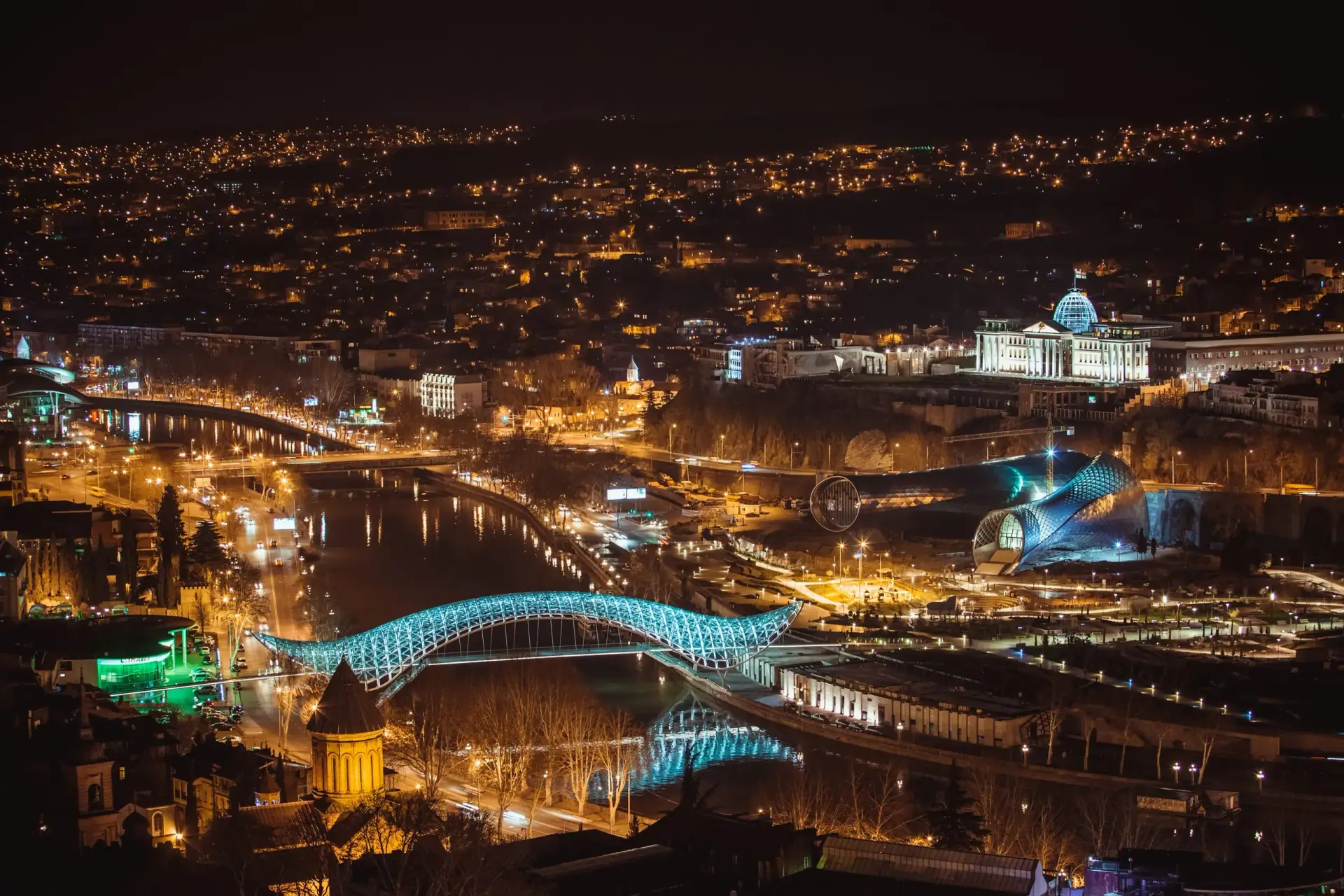
Begin in Georgia's captivating capital. Day one: wander the Old Town, explore the sulfur bath district of Abanotubani, ride the cable car to Narikala Fortress, and lose yourself in the atmospheric lanes between Metekhi and Sioni. Day two: visit the National Museum, explore Fabrika creative hub, stroll the Dry Bridge flea market, and enjoy your first proper Georgian supra at a traditional restaurant. Consider an evening cooking class to learn khinkali or khachapuri preparation.

Day 3-4: Kakheti Wine Region
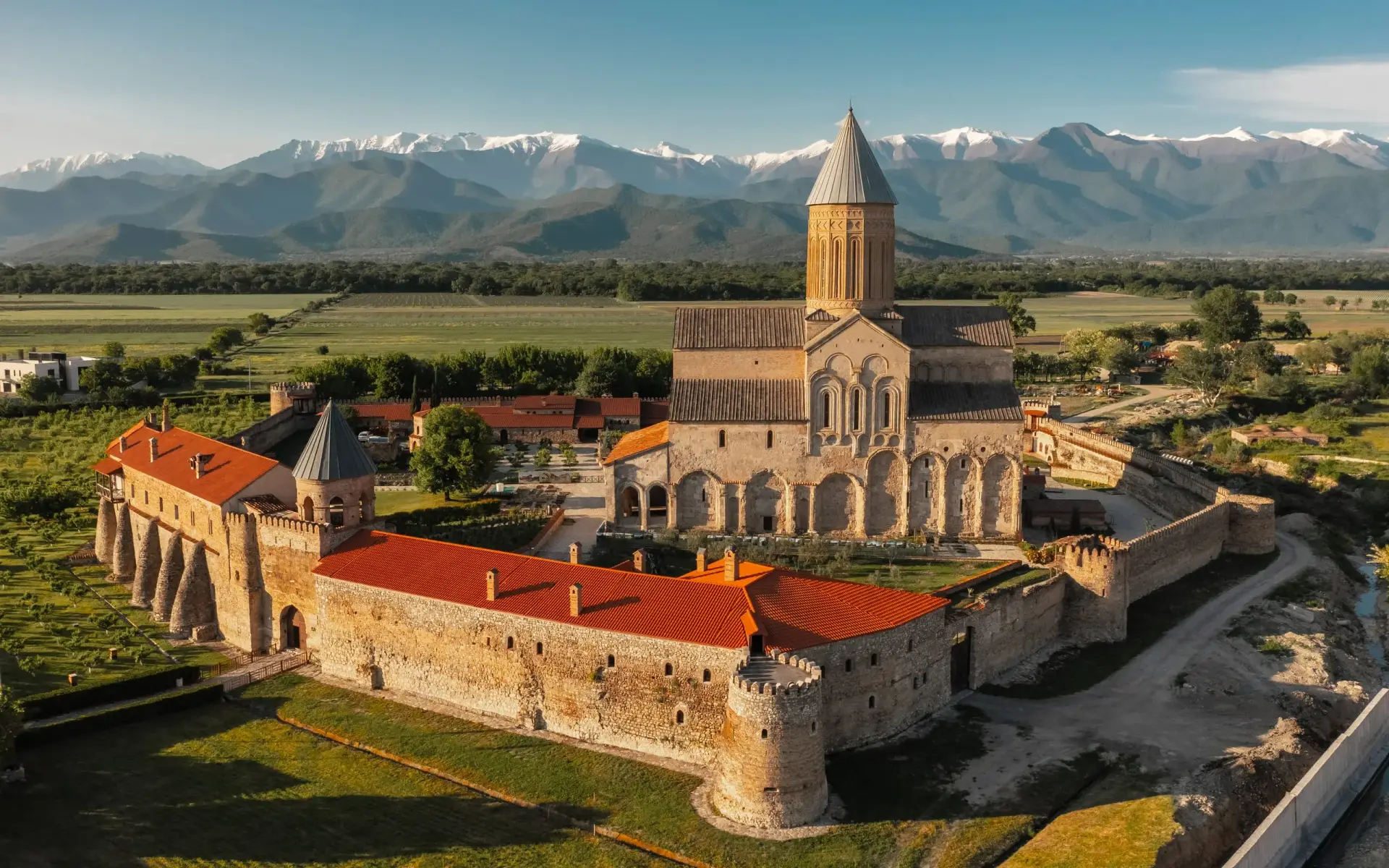
Drive east into Georgia's wine heartland. Visit family-run cellars where qvevri wine is made using 8,000-year-old methods. Explore Sighnaghi's hilltop walls and valley views, tour Alaverdi Monastery where monks have made wine for centuries, and enjoy long, wine-paired lunches at vineyard estates. Overnight in Sighnaghi or Telavi gives you time to appreciate the region's pace.

Day 5-6: Kazbegi & Georgian Military Highway
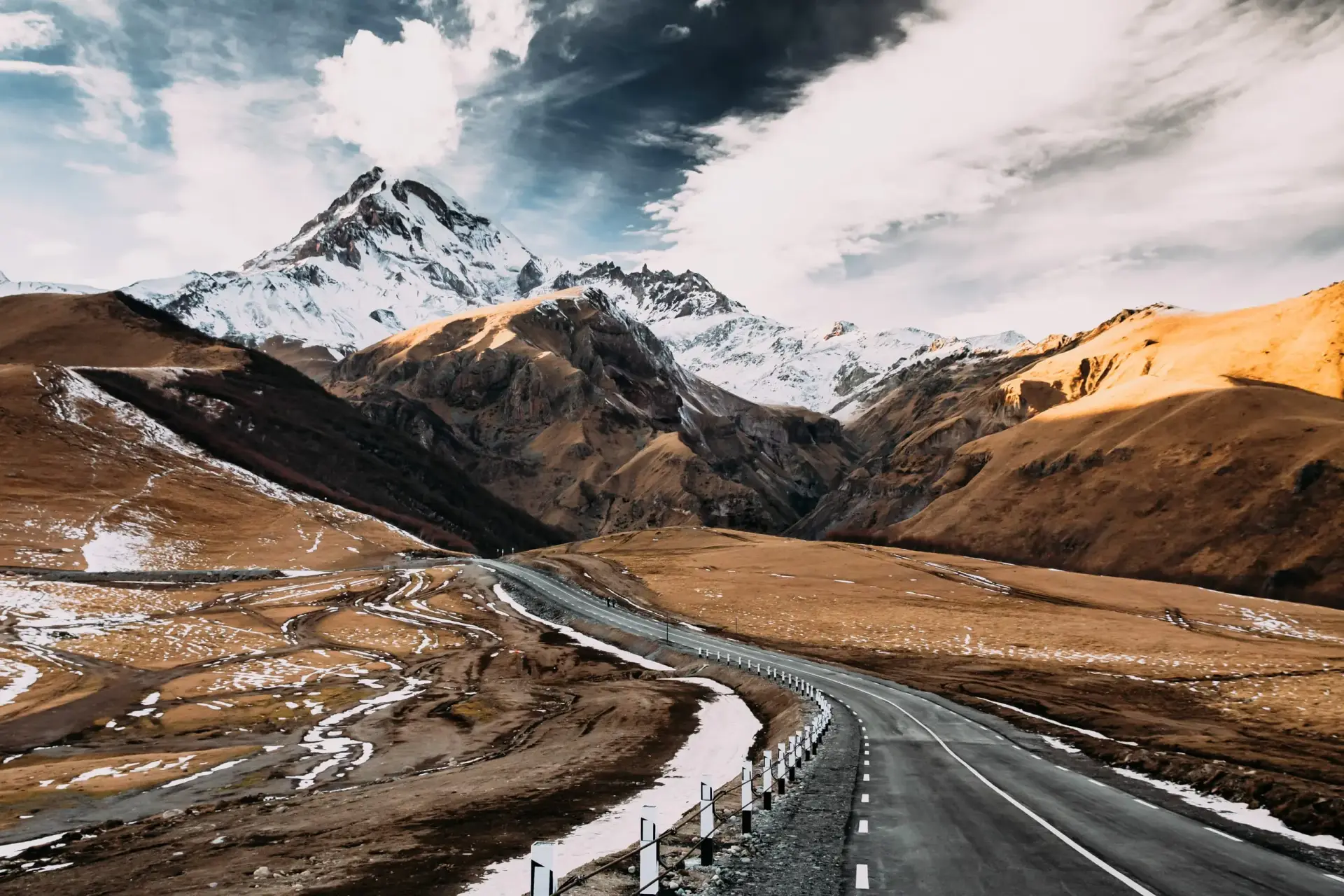
The drive north along the Georgian Military Highway is as memorable as the destination. Stop at Ananuri Fortress, cross the Jvari Pass with its panoramic viewpoints, pause at the Russia-Georgia Friendship Monument, and arrive in Stepantsminda (Kazbegi) with Mount Kazbek rising ahead. Hike or drive to Gergeti Trinity Church—arriving early morning avoids crowds and catches golden light. Consider a second day for deeper exploration: the Truso Valley or longer hikes reward extra time.

Day 7: Return & Departure
Return to Tbilisi via a scenic route, perhaps stopping at Mtskheta (ancient capital, UNESCO sites) if not visited earlier. Afternoon flight departures allow comfortable morning travel.

💡 Pro Tip: This itinerary works well April through November. Winter travelers should confirm Kazbegi road conditions and may want to substitute Kutaisi if passes are closed.

The 10-Day Georgia Itinerary: Mountains, Wine & Culture

Ten days lets you add depth to the essential route while including Georgia's second city, Kutaisi, and nearby natural wonders. This itinerary builds on the 7-day version with additional exploration.

Days 1-2: Tbilisi
As above, with perhaps more time for the Georgian National Museum's remarkable gold collection, the open-air Ethnographic Museum, or a day trip to Mtskheta (30 minutes) to see Jvari Monastery and Svetitskhoveli Cathedral—both UNESCO World Heritage sites.

Days 3-4: Kazbegi & Mountains
Head north first while energy is high. The mountain scenery energizes, and you'll have memories to process while winding down in wine country later. Two full days allows the Gergeti hike, exploration of Stepantsminda town, and potentially the Gveleti Waterfall trek or Truso Valley excursion.

Days 5-6: Kakheti Wine Region
Return through Tbilisi and continue east to wine country. With two nights, you can visit multiple cellars representing different winemaking styles (traditional qvevri, European method, organic/biodynamic), explore both Sighnaghi and Telavi, visit David Gareja monastery complex on the Azerbaijan border, and immerse yourself in the region's rhythms.

Days 7-8: Kutaisi & Imereti
Drive west to Georgia's second city. Visit Bagrati Cathedral with its hilltop views, then explore Gelati Monastery—a 12th-century UNESCO site that was once a major center of learning. Day trips include the surreal underground world of Prometheus Cave, Sataplia Nature Reserve with its dinosaur footprints and glass skywalk, and the emerald waters of Martvili Canyon.

Days 9-10: Borjomi & Return
Head south to the spa town of Borjomi, famous for its mineral water. Ride the cable car through the forested gorge, sample the springs, and enjoy a gentle final day before returning to Tbilisi. Alternatively, fly out from Kutaisi airport if your routing allows.

💡 Pro Tip: The Kutaisi-Borjomi-Tbilisi return creates a satisfying loop that avoids backtracking. If time is tight, choose either Kutaisi OR Borjomi rather than rushing both.

The 14-Day Georgia Itinerary: The Complete Experience

Two weeks unlocks Georgia's most rewarding experience: the remote mountain region of Svaneti. This itinerary includes everything above while adding the medieval tower villages and alpine landscapes that make Svaneti one of Europe's most remarkable destinations.

Days 1-2: Tbilisi
A relaxed start in the capital, as described above. Use this time to overcome jet lag before heading to the mountains.

Days 3-4: Kazbegi
The Georgian Military Highway and Gergeti Trinity experience, as described above.

Days 5-8: Svaneti
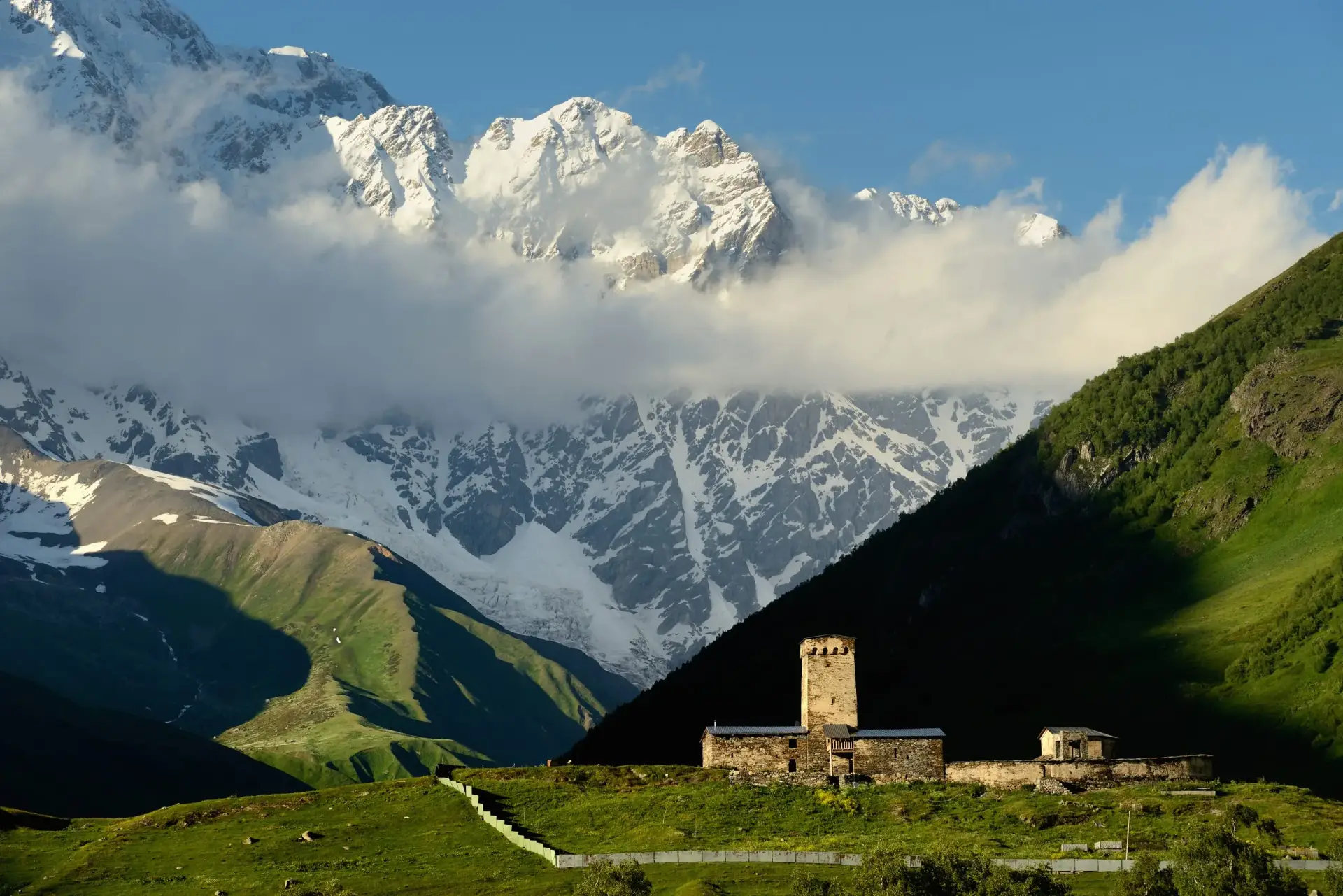
The heart of your Georgia experience. Fly or drive to Mestia (flights weather-dependent; driving takes 8-9 hours from Tbilisi via Zugdidi). Mestia itself rewards 1-2 days: the Svan towers, ethnographic museum, and day hikes to Chalaadi Glacier or Koruldi Lakes. Then journey to Ushguli—one of Europe's highest continuously inhabited settlements—either by 4x4 (half day) or multi-day trek. The three-day Mestia to Ushguli trek traverses high alpine terrain, passing through villages where stone towers pierce the sky against a backdrop of snow-capped peaks. Return to Mestia for your final Svaneti night.

Days 9-10: Kutaisi Region
Descend from Svaneti via Zugdidi to Kutaisi. After mountain intensity, the caves and canyons of Imereti offer a pleasant change of pace. Prometheus Cave and Martvili Canyon are highlights.

Days 11-12: Kakheti Wine Region
Cross Georgia to wine country. After mountain adventures, the slow pace of winery visits, long lunches, and golden vineyards provides welcome contrast. Visit both family cellars and historic estates.

Days 13-14: Tbilisi & Departure
Return to Tbilisi for final explorations and last-minute shopping (antiques at Dry Bridge, spices at Dezerter Bazaar, natural wine to pack). A final Georgian feast sends you off properly.

💡 Pro Tip: The Svaneti section requires moderate fitness and mountain comfort. For those preferring less strenuous alternatives, substitute Svaneti days with Batumi (Black Sea coast) or extended Kakheti exploration.

Getting Around Georgia: Transportation Guide

Georgia is compact but mountainous. Understanding your options helps you plan realistic itineraries.

Private Driver-Guide: The most comfortable way to travel, especially for first-time visitors. A private guide handles navigation, translates with locals, shares insider knowledge, and allows spontaneous stops. Prices are reasonable by European standards (€80-150/day depending on vehicle and distance). This is our recommended approach for maximizing your experience.

Rental Car: Adventurous travelers comfortable with mountain driving can rent vehicles in Tbilisi. Roads are generally decent but mountain routes require confidence. GPS essential; many scenic spots are unmarked. Right-hand drive, international license accepted.

Marshrutkas: These minibuses connect most towns and are remarkably cheap (Tbilisi-Kazbegi: ~€5). However, they're crowded, follow fixed schedules, and don't allow scenic stops. Best for budget travelers with flexible timelines.

Trains: The overnight train to Batumi is popular and comfortable. Tbilisi-Kutaisi train exists but takes longer than driving. Not useful for mountain regions.

Domestic Flights: Mestia has a small airport with weather-dependent flights from Tbilisi (€50-70). When operating, saves 8+ hours of driving. Book flexibly—cancellations happen.

Where to Stay in Georgia: Accommodation by Region

Georgia offers excellent value across all accommodation types, from atmospheric guesthouses to boutique hotels.

Tbilisi: Stay in the Old Town or Sololaki for atmosphere and walkability. Boutique hotels in restored buildings offer character; modern options cluster near Liberty Square. Budget €50-150/night for quality.

Kakheti: Wine hotels on vineyard estates provide the full experience—wake to valley views and evening tastings. Sighnaghi has charming small hotels; Telavi offers more options. Budget €40-100/night.

Kazbegi: Rooms Hotel Kazbegi is the landmark property with stunning Gergeti views. Numerous guesthouses in Stepantsminda offer excellent value and home-cooked meals. Budget €30-200/night depending on comfort level.

Svaneti: Family guesthouses dominate in Mestia and Ushguli—simple but authentic, with host-prepared meals included. In Mestia, a few hotels offer more amenities. Budget €25-80/night.

Kutaisi: Mid-range hotels in the city center; atmosphere is more practical than charming. Budget €40-80/night.

Georgian Food & Wine: What to Taste

Georgian cuisine is a revelation—rich, varied, and deeply tied to regional traditions. No itinerary is complete without immersing yourself in the food culture.

Essential Dishes:

  • Khachapuri: Cheese-filled bread in regional styles. Adjaran (boat-shaped with egg) is most famous; Imeretian (round) and Megreli (double-cheese) are equally delicious.
  • Khinkali: Soup dumplings eaten by hand—grip the twisted top, bite, sip the broth, devour. Mountain style has meat; variations include cheese, potato, mushroom.
  • Mtsvadi: Georgian barbecue, typically pork or beef, grilled over grapevine coals.
  • Pkhali: Vegetable patés (spinach, beet, eggplant) with walnut paste—vibrant and healthy.
  • Satsivi: Turkey or chicken in rich walnut sauce, traditionally served at celebrations.
  • Churchkhela: Grape-must candy threaded with walnuts—Georgia's natural energy bar.

Wine Essentials:

  • Saperavi: Georgia's signature red—deep, tannic, age-worthy.
  • Rkatsiteli: Versatile white grape; both crisp modern and amber qvevri styles.
  • Qvevri wines: Fermented in clay vessels buried underground, producing amber/orange wines with unique character.
  • Chacha: Grape brandy—powerful but smooth when properly made.
💡 Pro Tip: Georgian hospitality means you'll be encouraged to eat and drink more than you thought possible. Pace yourself, and don't hesitate to ask for smaller portions at restaurants—they understand.

Practical Information: Budget, Safety & Tips

Budget Expectations:

  • Budget: €40-60/day (hostels, marshrutkas, local restaurants)
  • Mid-range: €80-150/day (nice hotels, private transport, quality restaurants)
  • Comfort: €150-250/day (boutique hotels, private guide, wine estates)

Safety: Georgia is remarkably safe for travelers. Violent crime is rare, and Georgians are genuinely helpful to visitors. Standard precautions apply: secure valuables, be aware in crowds, and take care on mountain roads. Solo female travelers report positive experiences throughout the country.

Visas: Citizens of the EU, US, UK, Canada, Australia, and many other countries can stay visa-free for up to one year. Check current requirements for your nationality.

Currency: Georgian Lari (GEL). ATMs widely available in cities; cards accepted at hotels and established restaurants. Cash essential for villages, small shops, and guesthouses.

Language: Georgian is the national language, written in a unique script. Russian is widely understood by older generations. English is common in Tbilisi's tourist areas, major hotels, and among younger Georgians. Outside cities, basic English may be limited—a phrasebook helps, and locals appreciate any attempts at Georgian.

Connectivity: WiFi is widely available. Local SIM cards (Magti, Silknet, Beeline) are cheap and offer good coverage, though mountain areas may have gaps.

Packing Essentials:

  • Layers—mountain weather changes rapidly
  • Comfortable walking shoes plus hiking boots if trekking
  • Sun protection (mountains are intense)
  • Modest clothing for monastery visits (cover shoulders/knees; headscarves for women provided at entrances)
  • Reusable water bottle (tap water safe in cities; mineral springs everywhere)

How to Book Your Georgia Experience

Georgia rewards both independent exploration and guided experiences. The right choice depends on your travel style, time constraints, and comfort with unfamiliar environments.

Why Consider a Private Guide:

  • Local insights: Stories, history, and recommendations you won't find in guidebooks
  • Language bridge: Connect meaningfully with village hosts, winemakers, and artisans
  • Logistics handled: Navigation, timing, restaurant reservations, accommodation recommendations
  • Flexible itineraries: Stop when something catches your eye; adjust based on conditions
  • Safety and comfort: Mountain driving expertise; knowledge of current road conditions
  • Authentic access: Relationships with families who don't appear in tourist listings

What We Offer:

Our private tours range from single-day Tbilisi explorations to comprehensive multi-week journeys. Every tour includes licensed English-speaking guides, comfortable private transport, and flexible scheduling. We specialize in small groups and customize itineraries around your interests—wine focus, mountain trekking, cultural deep-dives, or balanced combinations.

Whether you're ready to book or still planning, we're happy to answer questions and help design your perfect Georgia experience. The best trips start with a conversation.

Night view of Tbilisi Old Town with illuminated historic buildings and the Narikala Fortress in the background
Tbilisi Old Town at night — your journey begins here
Gergeti Trinity Church with Mount Kazbek and snow-capped Caucasus peaks in the background
Gergeti Trinity Church — iconic Kazbegi landmark
Alaverdi Monastery in Kakheti wine region surrounded by vineyards and mountains
Alaverdi Monastery — centuries of winemaking tradition
Ancient Svan towers in mountain village with Caucasus Mountains backdrop in Svaneti, Georgia
Svan towers — medieval architecture in the high Caucasus

Frequently Asked Questions

A minimum of 7 days allows you to experience Tbilisi, wine country (Kakheti), and the Caucasus Mountains (Kazbegi). For Svaneti's mountain towers and trekking, plan 10-14 days. If you only have 4-5 days, focus on Tbilisi and either Kakheti or Kazbegi.
May-June and September-October offer ideal weather for most activities. Summer (July-August) is best for mountain trekking but hot in lowlands. Winter brings snow and skiing at Gudauri, with atmospheric but quieter cities.
Georgia is very safe for travelers, including solo travelers and women traveling alone. Crime rates are low, and Georgians are famously hospitable to guests. Standard travel precautions apply—secure valuables and take care on mountain roads.
Georgia offers excellent value. Budget travelers can manage on €40-60/day, mid-range travelers €80-150/day, and those wanting comfort €150-250/day. Private guided tours start around €100-150/day per person for small groups, including transport and guide.
Citizens of the EU, US, UK, Canada, Australia, and many other countries can visit Georgia visa-free for up to one year. Check current requirements for your specific nationality before traveling.
English is widely spoken in Tbilisi's tourist areas, major hotels, and by younger Georgians. Outside cities, English may be limited but locals are helpful. A private guide bridges the language gap and unlocks deeper experiences.
Qvevri are large clay vessels buried underground, used for traditional Georgian winemaking. Grapes ferment with skins and stems in the qvevri, producing distinctive amber/orange wines with unique flavor profiles. This 8,000-year-old method is UNESCO-recognized.
The Mestia-Ushguli trek can be done independently by experienced hikers. The trail is marked, and villages have guesthouses. However, a local guide adds safety, cultural context, and helps navigate weather conditions. For first-time visitors, we recommend guided treks.
E
Explore Georgia Tours Team
Local Travel Experts

Our team of Georgian guides has collectively led over 500 private tours across every region of Georgia. With deep local knowledge passed down through generations and a passion for sharing our country's hidden gems, we create authentic travel experiences that go beyond typical tourist routes.

Ready to Explore Georgia?

Turn this itinerary into reality with our private guided tours. All tours include local expert guides, comfortable transportation, and customizable schedules.