
Explore Georgia Tours
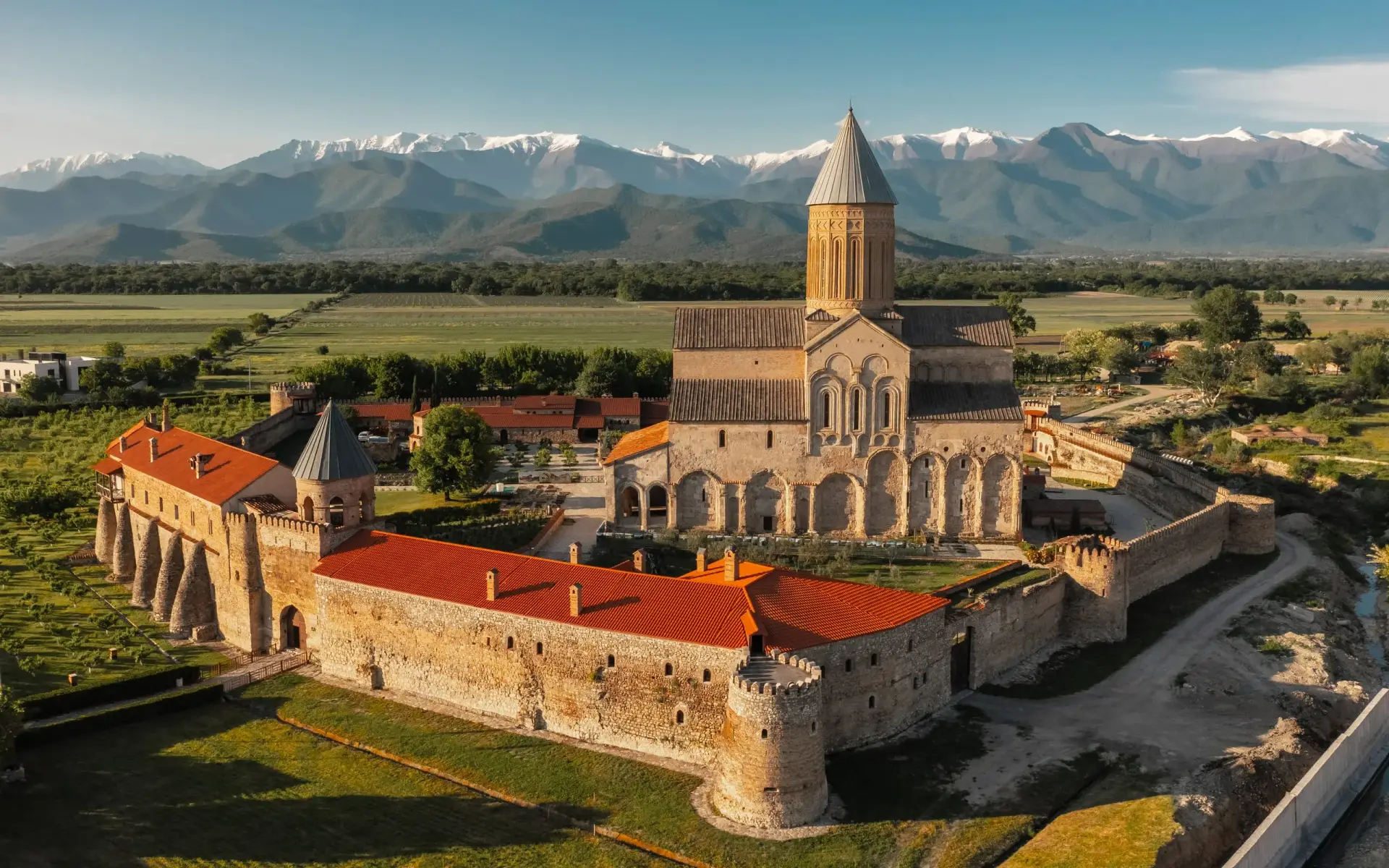
Alaverdi Monastery in Kakheti wine region with Alazani Valley vineyards stretching to the Caucasus Mountains
Wine & FoodWine ToursFood

Georgia Food & Wine Tours: Complete Guide & Packages 2026

E
Explore Georgia Tours Team
Local Wine & Culinary Experts
22 min read

Georgia is the birthplace of wine, with UNESCO-protected qvevri winemaking traditions dating back 8,000 years. Our complete guide covers everything you need to plan the perfect food and wine tour—from Kakheti's golden vineyards to traditional supra feasts, boutique winery visits to hands-on cooking classes. Discover why Georgia is the world's most exciting wine destination.

Why Georgia Is The World's Ultimate Wine Destination

While France and Italy may dominate wine shop shelves, Georgia holds a claim no other country can match: this is where wine was born. Archaeological evidence confirms that Georgians have been cultivating grapes and producing wine for over 8,000 years—predating European winemaking by millennia.

What makes Georgian wine truly unique isn't just its ancient origins. It's the qvevri method: large clay vessels buried underground where grapes ferment with their skins, stems, and seeds. This UNESCO-recognized Intangible Cultural Heritage technique produces amber and orange wines with flavors and textures found nowhere else on Earth.

Georgia is home to over 500 indigenous grape varieties—more than any other country—including Saperavi (a deep, tannic red), Rkatsiteli (versatile white), Kisi, and Mtsvane. These grapes have grown in Georgian soil for thousands of years and are virtually unknown outside the country.

For wine lovers, this isn't just a trip—it's a pilgrimage to the source. Every wine tour in Georgia is a journey through living history, from ancient monasteries where monks still press grapes to family cellars where traditions pass unchanged from generation to generation.

💡 The Wine Origin: In 2017, archaeologists discovered 8,000-year-old pottery fragments with wine residue in Georgia—the oldest evidence of winemaking anywhere in the world. When you taste wine from a Georgian qvevri, you're experiencing a tradition that predates written history.

What To Expect On A Georgia Food & Wine Tour

Georgian food and wine tours immerse you in a culture where eating and drinking are sacred acts of community and hospitality. Here's what a typical experience includes:

Morning Market Visits: Start your day at a bustling farmer's market—Telavi's Saturday market or Tbilisi's Dezerter Bazaar—where vendors pile tables high with fresh cheese, churchkhela (grape-must candy with walnuts), aromatic herbs, and seasonal produce. Your guide introduces you to local specialties and teaches you to shop like a Georgian.

Winery Tastings: Unlike formal European tastings, Georgian winery visits feel like visiting family. You'll descend into cool cellars where qvevri are buried, watch winemakers open clay vessels sealed for months, and taste directly from the source. Most visits include 4-6 wines paired with bread, cheese, and charcuterie.

The Supra Experience: No Georgian wine tour is complete without a supra—the traditional feast that can last for hours. Presided over by a tamada (toastmaster), a supra involves dozens of elaborate toasts, endless courses of food, and flowing wine. You'll eat khachapuri (cheese bread), khinkali (soup dumplings), pkhali (vegetable-walnut patés), and much more.

Cooking Classes: Many tours include hands-on cooking experiences where you learn to make khachapuri, press grapes, or bake bread in a traditional tone (clay oven). These intimate sessions often take place in family homes where recipes have been passed down for generations.

Scenic Vineyard Landscapes: The Alazani Valley in Kakheti stretches toward snow-capped Caucasus peaks, with golden vineyards climbing gentle hillsides. Medieval monasteries and fortified villages punctuate the landscape, creating scenery that rivals Tuscany or Burgundy.

Types of Wine Experiences Available

  • Day Tours from Tbilisi: 8-10 hour excursions to Kakheti with 2-3 winery visits, lunch, and sightseeing ($100-180 per person)
  • Multi-Day Wine Region Tours: 3-8 day immersive experiences staying in vineyard hotels with daily tastings ($200-400/day)
  • Private Winery Tastings: Exclusive sessions at boutique producers with winemaker-led tastings ($50-150 per person)
  • Cooking Classes with Wine Pairings: Half-day culinary experiences in Tbilisi or wine country ($80-150 per person)
  • Organic/Natural Wine Tours: Focus on biodynamic producers and traditional qvevri methods
  • Luxury Wine Tours: Premium accommodations, private transfers, and exclusive access ($400-600/day)
  • Harvest Season Experiences: September-October grape picking and pressing participation

Best Georgia Wine Regions for Tours

Georgia has several wine-producing regions, each with distinct character and offerings. Here's where to focus your wine touring:

Kakheti Region: The Heart of Georgian Wine

Kakheti produces over 70% of Georgia's wine and is the essential destination for any wine tour. The region stretches along the Alazani Valley with the Greater Caucasus mountains forming a dramatic backdrop.

Sighnaghi: This picturesque hilltop town is Kakheti's crown jewel. Medieval walls wrap around pastel-colored houses with carved wooden balconies. The views over the Alazani Valley at sunset are unforgettable. Sighnaghi has numerous small wine cellars within walking distance and excellent restaurants serving traditional Kakhetian cuisine.

Telavi: The regional capital offers a more local, less touristy experience. The Saturday market is legendary among food lovers, and you'll find family-run cellars producing excellent wines at prices far below tourist areas. Several wine hotels here offer multi-day packages.

Alaverdi Monastery: Monks have produced wine at this 11th-century monastery for over a thousand years. The cathedral is among Georgia's finest, and the monastery produces respected wines you can taste and purchase on-site. Nearby honey producers offer additional tastings.

Tsinandali Estate: Once the home of Georgian nobility, this historic estate features a wine museum, aged wine collection, and beautifully landscaped gardens. The estate produces both traditional qvevri and European-style wines.

Small-Batch Producers: Beyond the famous names, Kakheti is home to dozens of family wineries producing 500-5,000 bottles annually. These intimate visits—often in family living rooms—offer the most authentic experiences.

Mtskheta-Mtianeti: Wine Near Tbilisi

Just 30 minutes from Tbilisi, this region offers easy wine experiences combined with UNESCO World Heritage sites.

Chateau Mukhrani: This beautifully restored 19th-century estate produces European-style wines in a grand setting. Tours include the historic cellars, production facilities, and formal tastings. The gardens and architecture rival French chateaux.

Day-Trip Accessibility: Perfect for travelers with limited time who want wine tasting without overnight stays in wine country. Combine with Mtskheta's ancient churches for a full day.

Kartli Region: Off The Beaten Path

Less visited than Kakheti, Kartli offers authentic experiences without tourist crowds. The region has a long winemaking history and several emerging natural wine producers attracting serious oenophiles.

Kartli can be combined with visits to Uplistsikhe cave city and Gori for a cultural-wine combination day trip from Tbilisi.

Georgian Cuisine: Beyond Wine

Georgian food stands alongside the world's great cuisines, with rich flavors, regional diversity, and techniques refined over millennia. Every wine tour includes culinary experiences that rival the wines themselves.

Khachapuri: Georgia's famous cheese bread comes in regional styles. Adjarian (boat-shaped with egg and butter) is most famous, but Imeretian (round), Megreli (double-cheese), and Achma (layered) each have devoted fans. Fresh from a tone oven, khachapuri defines comfort food.

Khinkali: These soup dumplings are eaten by hand—grip the twisted top (which you don't eat), bite, sip the broth, then devour. Mountain-style contains spiced meat; variations include cheese, potato, and mushroom. A skilled Georgian can eat 15-20 in a sitting.

Pkhali: Vibrant vegetable-walnut patés—spinach, beet, eggplant—showcase Georgian mastery with walnuts. Healthy, flavorful, and beautiful on the table.

Mtsvadi: Georgian barbecue, typically pork marinated in onions and grilled over grapevine coals. The smoke from the vines adds subtle wine notes to the meat.

Churchkhela: These grape-must candies threaded with walnuts or hazelnuts hang in every market. Often called "Georgian Snickers," they're the perfect hiking snack or edible souvenir.

Badrijani: Fried eggplant rolls filled with spiced walnut paste—a ubiquitous appetizer that perfectly complements Georgian wines.

💡 Dining Tip: Georgian hospitality means your hosts will encourage you to eat far more than you planned. Pace yourself during multi-course supras, and don't be shy about declining politely—though "I'm full" is often met with "just a little more!"

Best Time To Visit For Food & Wine Tours

Georgia's wine regions welcome visitors year-round, but timing affects your experience significantly:

September-October (Rtveli/Harvest Season): The absolute best time for wine touring. Vineyards burst with activity as families pick grapes, press juice, and fill qvevri. Many wineries offer participation experiences—get your feet purple crushing grapes. The Alazani Valley glows golden, temperatures are perfect (18-25°C), and wine festivals celebrate the harvest. Book accommodations early; this is peak season.

May-June (Late Spring): Emerald green vineyards, wildflowers, comfortable temperatures, and fewer tourists than autumn. An excellent alternative if harvest season doesn't fit your schedule. Wineries are less busy, allowing longer conversations with winemakers.

July-August (Summer): Hot in the lowland wine regions (30-35°C), but manageable with early starts and afternoon rests. This period works if you're combining wine country with Batumi beaches or Svaneti trekking. Some smaller wineries may have limited hours.

November-March (Off-Season): Quieter, more personal winery visits with winemakers who have time to share stories. Weather is cooler (5-15°C) and some guesthouses close. Great for serious wine enthusiasts who prioritize intimate access over weather. Wine cellars maintain consistent temperature year-round.

💡 Insider Tip: The second weekend of October features Tbilisoba, Tbilisi's city festival with massive wine displays, traditional food, and cultural performances. Combine with a Kakheti wine tour for the ultimate Georgian experience.

Complete Georgia Food & Wine Tour Itineraries

Here are our recommended itineraries for different trip lengths and travel styles:

5-Day Wine & Food Intensive

Perfect for travelers focused specifically on wine and food without other sightseeing.

Day 1: Arrive Tbilisi. Evening wine bar tour in Tbilisi's wine districts—8,000 Vintages or Vino Underground. Light Georgian dinner.

Day 2: Morning cooking class (khachapuri, khinkali). Afternoon at Chateau Mukhrani. Evening supra dinner with local family.

Day 3: Drive to Kakheti. Visit Sighnaghi—walk the walls, lunch with valley views. Afternoon winery visits (boutique producer + larger estate). Overnight Sighnaghi.

Day 4: Telavi market morning. Alaverdi Monastery and wine cellar. Tsinandali Estate. Wine-paired dinner at vineyard restaurant. Overnight Telavi.

Day 5: Visit natural/organic winery. Return to Tbilisi via Bodbe Monastery. Departure.

Estimated Cost: $1,500-2,200 per person (private tour, mid-range accommodations, all meals and tastings)

8-Day Comprehensive Food & Wine Journey

Our most popular wine tour length—deep immersion in Georgian wine culture with time to absorb each experience.

Day 1: Arrive Tbilisi. Settle into Old Town hotel. Evening wine masterclass introduction to Georgian varieties and qvevri method. Welcome supra dinner.

Day 2: Tbilisi food tour—Dezerter Bazaar, spice market, churchkhela tasting. Afternoon cooking class. Free evening to explore Tbilisi's wine bars.

Day 3: Drive to Kakheti via Bodbe Monastery. Sighnaghi exploration. First winery visit—family cellar with qvevri tastings. Traditional dinner. Overnight Sighnaghi.

Day 4: Full winery day—visit 2-3 producers ranging from small family operations to established estates. Wine-paired lunch. Sunset from Sighnaghi walls. Overnight Sighnaghi.

Day 5: Drive to Telavi via Alaverdi Monastery. Honey tasting. Telavi market exploration. Artisan cheese producer visit. Overnight Telavi vineyard hotel.

Day 6: Tsinandali Estate morning. Natural wine producer visit. Traditional bread baking experience. Afternoon grape harvest participation (seasonal) or additional winery. Overnight Telavi.

Day 7: Return to Tbilisi via Chateau Mukhrani. Final tastings and wine purchasing. Evening farewell feast at celebrated Georgian restaurant.

Day 8: Departure from Tbilisi.

Estimated Cost: $2,400-3,500 per person (private tour, boutique accommodations, all meals and premium tastings)

12-Day Luxury Wine & Culture Experience

The ultimate Georgian journey combining wine country with Tbilisi, Kazbegi mountains, and optional Batumi coast.

Days 1-2: Tbilisi in depth—Old Town, sulfur baths, fine dining, wine bars, cooking class, art galleries.

Days 3-4: Kazbegi mountains—Gergeti Trinity Church, mountain scenery, return via Mtskheta UNESCO sites.

Days 5-8: Complete Kakheti immersion—Sighnaghi, Telavi, multiple wineries, Alaverdi, Tsinandali, harvest experiences (seasonal).

Days 9-10: Kutaisi and Imereti—Gelati Monastery (UNESCO), Prometheus Cave, Martvili Canyon, Imeretian cuisine and western Georgian wines.

Days 11-12: Return to Tbilisi or extend to Batumi coast. Departure.

Estimated Cost: $5,000-7,500 per person (luxury accommodations, private sommelier guide, exclusive winery access, premium dining)

What's Included In Georgia Food & Wine Tours

Understanding what's typically included helps you compare packages and budget accurately:

Standard Inclusions:

  • Accommodations (hotels, guesthouses, or vineyard properties)
  • Breakfast daily; many tours include all meals
  • Wine tastings (typically 15-30+ wines across the tour)
  • English-speaking guide with wine knowledge
  • Private transportation (comfortable vehicle with experienced driver)
  • Entrance fees to monasteries, museums, and estates
  • Cooking class or culinary experience
  • One traditional supra feast

Usually Not Included:

  • International flights to/from Georgia
  • Travel insurance (strongly recommended)
  • Wine purchases at wineries
  • Personal expenses and souvenirs
  • Tips for guides and drivers (customary but not required)
  • Optional premium experiences (hot air balloon, helicopter tours)

Payment Considerations: Most tour operators accept credit cards; some small family wineries are cash-only. The Georgian Lari (GEL) is the local currency; ATMs are widely available. Wine purchases at wineries are remarkably affordable—expect $8-25 for excellent bottles.

How To Choose The Right Wine Tour For You

Georgia wine tours range from budget day trips to luxury multi-week journeys. Here's how to find your match:

Budget Levels

  • Budget ($100-150/day): Group tours, guesthouse accommodations, standard restaurants. Still excellent experiences—Georgian hospitality shines at every price point.
  • Mid-Range ($150-280/day): Private tours, boutique hotels, wine-paired meals. Best value for most travelers—personalized attention without luxury pricing.
  • Luxury ($280-500+/day): Premium vineyard hotels, private sommelier guides, exclusive winery access, fine dining. For serious oenophiles and special occasions.

Group Size Preferences

  • Private Tours (1-4 people): Maximum flexibility, personalized pace, intimate winery access. Ideal for couples and serious wine enthusiasts.
  • Small Group (6-12 people): Social atmosphere, shared experiences, lower per-person cost. Great for solo travelers and those who enjoy meeting others.
  • Large Group (12+ people): Best value but less flexibility. Limited access to small family cellars.

Activity Level

  • Relaxed: Focus on tastings, long lunches, minimal walking. Vehicle-based touring with comfortable pacing.
  • Moderate: Walking tours of towns, vineyard strolls, some stairs at monasteries. Suitable for most travelers.
  • Active: Vineyard hikes, harvest participation, combining wine country with mountain trekking. For those wanting physical activity with their wine.

Practical Planning Guide

Getting to Georgia: Tbilisi International Airport (TBS) receives direct flights from most European hubs. From North America, connect via Istanbul, Vienna, or Munich. Budget airlines like Wizz Air offer affordable European connections.

Visa Requirements: Citizens of the EU, US, UK, Canada, Australia, and most developed countries can enter Georgia visa-free for up to one year. Check requirements for your specific nationality.

Best Booking Timing: Book 6-8 weeks ahead for peak season (September-October). Off-season tours can often be arranged with 2-3 weeks notice. Last-minute bookings are possible but limit options.

What to Pack:

  • Comfortable walking shoes for cobblestone towns and vineyard paths
  • Layers—wine cellars are cool even in summer
  • Modest clothing for monastery visits (covered shoulders/knees; headscarves provided)
  • Reusable water bottle
  • Wine carrier or packaging materials if purchasing bottles to take home

Language: English is widely spoken on organized tours and at established wineries. Your guide handles all communication. Learning "gagimarjos" (cheers!) and "madloba" (thank you) enhances connections with hosts.

Health Considerations: Georgian wine is often unfiltered and naturally fermented—some people with sulfite sensitivities tolerate it better than commercial wines. Pace yourself during supras; the combination of toasts, food, and wine can overwhelm newcomers.

Bringing Wine Home: Georgia allows export of wine for personal use. Check your home country's customs allowances—typically 1-2 liters duty-free, with duties on additional bottles. Quality wine bags protect bottles in checked luggage.

Book Your Georgia Wine Experience

Georgia's wine culture rewards those who go deeper. While day trips offer a taste, multi-day tours provide the immersion needed to truly understand why this small country has captivated wine lovers for millennia.

What Makes Our Tours Different:

  • Local relationships: Access to family cellars and winemakers who don't appear in tourist listings
  • Wine expertise: Guides trained in Georgian wine traditions and terroir
  • Flexible itineraries: Adjust based on your interests—more natural wines, more cooking, more scenery
  • Authentic experiences: Small group supras, harvest participation, home-hosted meals
  • Complete logistics: Transportation, reservations, translation—all handled seamlessly

Whether you're a wine professional, an enthusiastic amateur, or simply curious about discovering wine's birthplace, we design tours around your interests and experience level. Contact us to start planning your Georgian wine journey.

Frequently Asked Questions

Georgia wine tours range from $100-150/day for budget group tours to $280-500+/day for luxury private experiences. An 8-day comprehensive food and wine tour typically costs $2,400-3,500 per person including accommodations, meals, tastings, and transportation. Day tours from Tbilisi start around $100-180 per person.
September-October (Rtveli harvest season) is ideal, with active grape harvesting, perfect weather, and wine festivals. May-June offers pleasant temperatures and fewer tourists. November-March is quieter with intimate winery access. July-August works but can be hot in the lowlands.
Georgia produces wine using the 8,000-year-old qvevri method—fermenting wine in buried clay vessels with grape skins, stems, and seeds. This UNESCO-protected technique creates distinctive amber and orange wines. Georgia has over 500 indigenous grape varieties (Saperavi, Rkatsiteli, Kisi) found nowhere else.
No. All organized tours include English-speaking guides who handle communication with winemakers and hosts. While learning basic phrases like 'gagimarjos' (cheers) enhances the experience, it's not necessary. Guides translate conversations and explain traditions throughout.
Kakheti is essential—it produces 70% of Georgian wine and includes Sighnaghi, Telavi, Alaverdi Monastery, and Tsinandali Estate. For day trips from Tbilisi, Chateau Mukhrani in Mtskheta-Mtianeti is excellent. Kartli offers off-the-beaten-path experiences with emerging natural wine producers.
Georgian cuisine features meat dishes prominently, but excellent vegetarian options exist: khachapuri (cheese bread), pkhali (vegetable-walnut patés), badrijani (eggplant rolls), lobio (bean stew), and fresh salads. Inform your tour operator when booking to ensure vegetarian-friendly meal arrangements.
Absolutely. Guides can arrange smaller tasting portions, spittoons for professional tasting, and non-alcoholic alternatives. Georgia also produces excellent mineral waters, fresh juices, and traditional soft drinks. Drivers who don't drink are common on tours, and hosts understand completely.
A supra is a traditional Georgian feast led by a tamada (toastmaster) who proposes elaborate toasts to family, friendship, ancestors, and more. Expect multiple courses—khachapuri, khinkali, salads, grilled meats—with wine flowing throughout. Supras can last several hours and are deeply embedded in Georgian culture.
A typical wine touring day includes 2-3 winery visits with lunch, allowing meaningful time at each location. Rushing through 5-6 wineries diminishes the experience. Quality tours prioritize depth over quantity, with time for conversations with winemakers and proper tastings at each stop.
Yes. Georgian wines are remarkably affordable ($8-25 for excellent bottles at wineries). Check your home country's customs allowances—typically 1-2 liters duty-free. Wine bags protect bottles in checked luggage. Many travelers ship cases through international wine shipping services for larger purchases.
E
Explore Georgia Tours Team
Local Wine & Culinary Experts

Our team includes certified sommeliers and local guides who have spent decades exploring Georgia's wine regions. We've personally visited over 200 wineries and lead intimate food and wine tours that connect travelers with winemaking families whose traditions span generations.

Ready to Explore Georgia?

Turn this itinerary into reality with our private guided tours. All tours include local expert guides, comfortable transportation, and customizable schedules.